Introduction to Diffusion of Innovation

Introduction to Diffusion of Innovation

marketingproduct development

How do new ideas spread? How do you bring a new product to market? Can your product target an entire market segment?

In 1962, E. M. Rogers proposed a theory on the diffusion of new ideas and its application across cultures. This theory became the foundation of modern marketing and new product launches.

If you understand which groups are available to you and how you can reach them, you can target the market in a way that enables natural growth.

What customers need

What customers need

strategymarketingproduct development

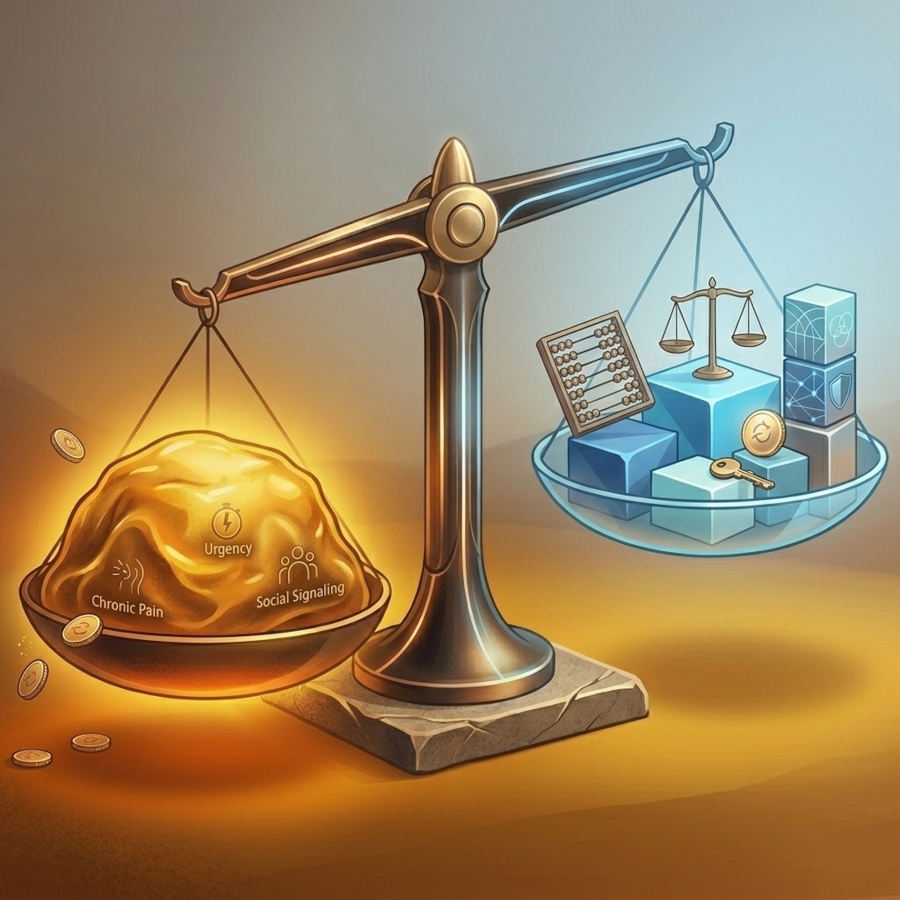
We discussed what customers say and how to ask them better questions, followed by how customers perceive price, and finally we will look at what customers need.

It's one thing for a customer to say they want something. It's another thing for a customer to need something so much that they are willing to pay for it, feel satisfied that they bought your product because it really helped them, and even thank you for it.

There is no universal list of "things" that all customers need, let alone their order of importance. Today's article is for those who want to start somewhere and see how to think about added value.

How customers perceive price

How customers perceive price

strategymarketingproduct development

I don't need to explain to anyone that there is a difference between the price tag of a product and the value that the customer attributes to it. I probably don't need to explain to anyone that if you don't need a hammer, you won't buy one even if it's 50% off. But let's look at it a little more systematically - how customers perceive price.

We will show you what factors play a role, what role they play, and what impact they can have.

Feedback trap

Feedback trap

strategymarketingproduct development

I probably don't need to explain to anyone that when you create a product, you need some feedback from customers, some customer research - you simply need to ask customers questions. But what if I told you that many of the answers are lies, games, politeness... And your product is built on the lies, games, and politeness of those surveyed.

In this series, we’ll move from what customers say, to how they perceive price, and finally to what customers are actually trying to accomplish.

Values - manifesto

Values - manifesto

Although I have already written about values, I decided to update the article and try to describe values as I think they should be defined: "what," "why," and use the principles for "how." This should make it clear not only what a value is, but more importantly why and how it manifests itself in practice.

So I'll try again.

123456

We use cookies and other technologies, such as Google Analytics, to analyze website traffic. This helps us understand how visitors interact with our site.

More info

This website uses Google Analytics, a web analytics service provided by Google. Google Analytics uses cookies to help us analyze how users interact with our site. The information generated by the cookie about your use of the website (including your IP address) will be transmitted to and stored by Google. We use this information to compile reports on website activity and provide other related services.

We use analytics cookies to improve our services. We do not use them for marketing or advertising purposes. We do not sell this data.